
For Slate
In 1960, Bill Wilson, the co-founder of Alcoholics Anonymous and author of its famous 12 Steps, did something that would be unthinkable in today’s attention economy: He declined an invitation to be on the cover of Time magazine.
The editors offered a compromise: What if Wilson were pictured with his back to the camera, making him unidentifiable? Again, he refused. Such publicity was out of the question for any AA member, not just its architect. Enshrined in the program he’d co-founded in 1935 was the mandate outlined in the 11th Tradition—that AA’s members “need always maintain personal anonymity at the level of press, radio, and films.”
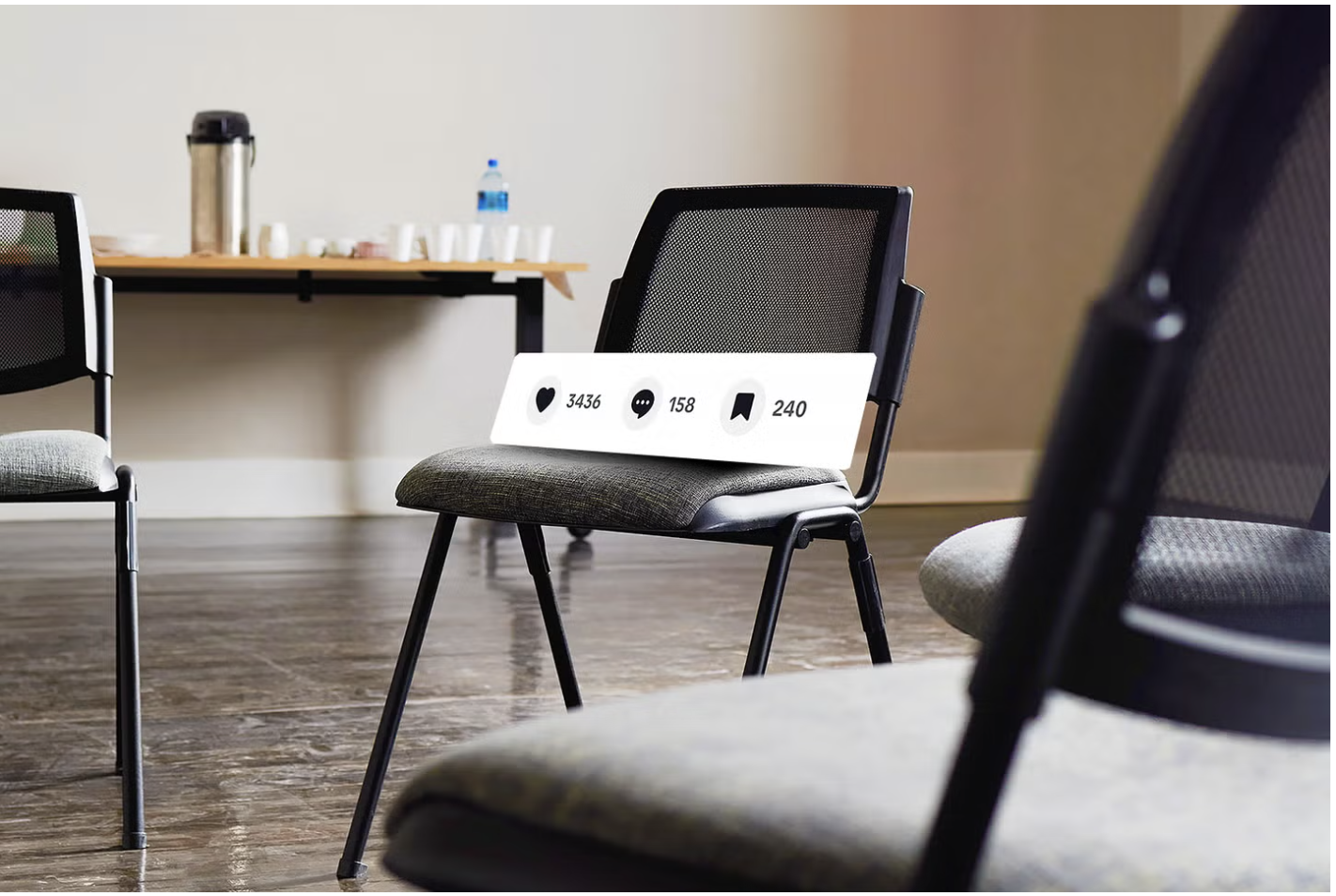
Photo illustration by Slate. Photo by Jacob Wackerhausen/iStock/Getty Images Plus.
In 1960 Bill Wilson, the co-founder of Alcoholics Anonymous and author of its famous 12 Steps, did something that would be unthinkable in today’s attention economy: He declined an invitation to be on the cover of Time magazine.
The editors offered a compromise: What if Wilson were pictured with his back to the camera, making him unidentifiable? Again, he refused. Such publicity was out of the question for any AA member, not just its architect. Enshrined in the program he’d co-founded in 1935 was the mandate outlined in the 11th Tradition—that AA’s members “need always maintain personal anonymity at the level of press, radio, and films.”
Wilson believed that public anonymity would inoculate the organization against members’ exploitation of AA for personal or professional gain and keep it free from controversy and embarrassment. Maintaining “100 percent personal anonymity” was vital to the future of the group, he argued. Without it, the damage to the organization could be “irreparable.” Anonymity is so important that it’s codified in the 12th Tradition as “the spiritual foundation of all our traditions, ever reminding us to place principles before personalities.”
I got sober in 2008, and for the first six years, I was an active member of AA. While I’m no longer involved in the Program, as it’s often called, I’m still fascinated by AA’s history and societal impact. It’s a 90-year-old organization, and not a word of the Program’s core—the 12 Steps and 12 Traditions—has changed since Wilson published it. This consistency is one of the reasons that, despite the boom in support and treatment options for people with alcoholism (the severe end of what clinicians now call alcohol use disorder), Alcoholics Anonymous is still the largest and best known of the bunch.
What has changed is the delineation between public and private, who can broadcast their innermost lives to the world, and whose innermost lives garner the world’s interest. These shifts prompt the question: What constitutes personal anonymity in a world where the line between personal and public is vanishing?
Continued at Slate






 Katie MacBride
Leave a comment