For Slate.com
In one of my all-time favorite Parks and Recreation episodes, Leslie Knope excitedly tells the camera that the city of Pawnee will finally get fluoride in their water thanks to a merger with neighboring Eagleton. Unsurprisingly—if you know anything about the people of Pawnee or Knope’s nemesis, dentist Jeremy Jamm—this doesn’t go over well. Jamm makes a living on the high-cavity citizens of the town, so he goes on a local TV show to rail against the effort. “Councilwoman Leslie Knope wants to put fluoride—which is a chemical—in your water. You know what else is a chemical? Strychnine. And Cyanide.”
What Jamm is capitalizing on—albeit absurdly—is something many of us have fallen prey to at some point: chemophobia. As the name suggests, chemophobia is “an irrational fear of chemicals,” and it’s exploited in countless ways. If you believe that organic pesticides are inherently safer than nonorganic pesticides, that sodium chloride is different from table salt, or that “plant-based” necessarily means “nontoxic,” you have been duped by chemophobia. I’m not judging—I went through an ill-fated “natural” deodorant phase myself.
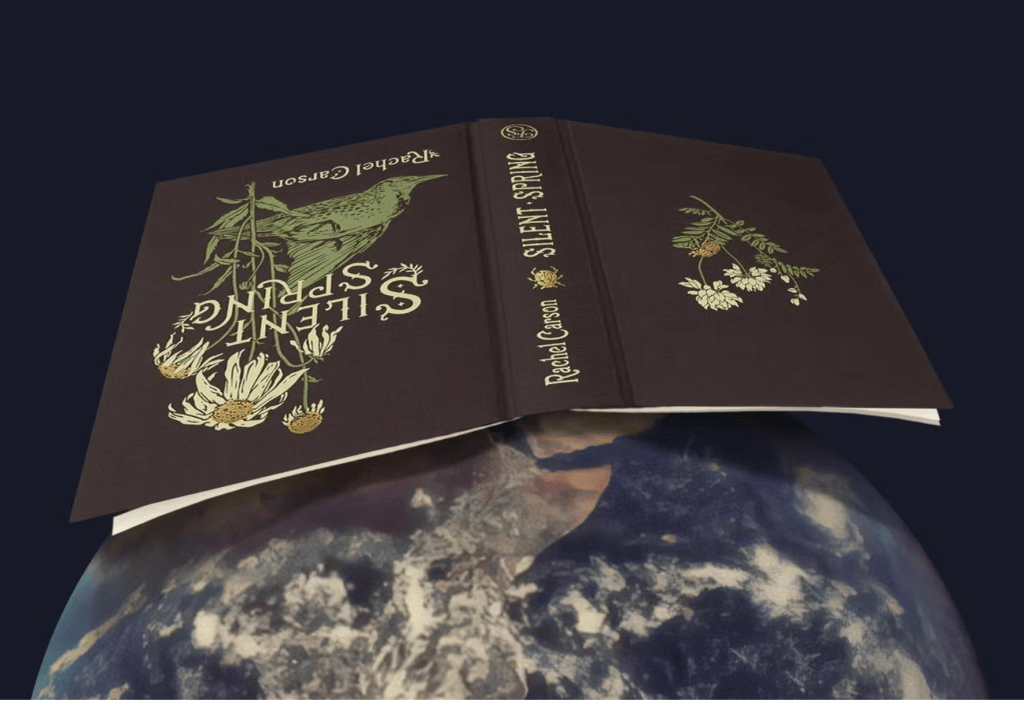
The irony of all this is that chemophobia has roots in the heart of the modern environmental movement. On Sept. 27, 1962, biologist Rachel Carson published Silent Spring, a book that would radically shift how the nation thought about the effect of pesticides on human health and the environment. The book led to sweeping, critical environmental reforms and awareness. It also, however, planted its own destructive seed: the notion that synthetic chemicals are inherently something to fear. Over the decades, that seed has grown into a wild and unruly tangle of misinformation and hysteria, amply pollinated by social media, wellness influencers, and a lack of science literacy.
(continued at Slate.com)






 Katie MacBride
Leave a comment