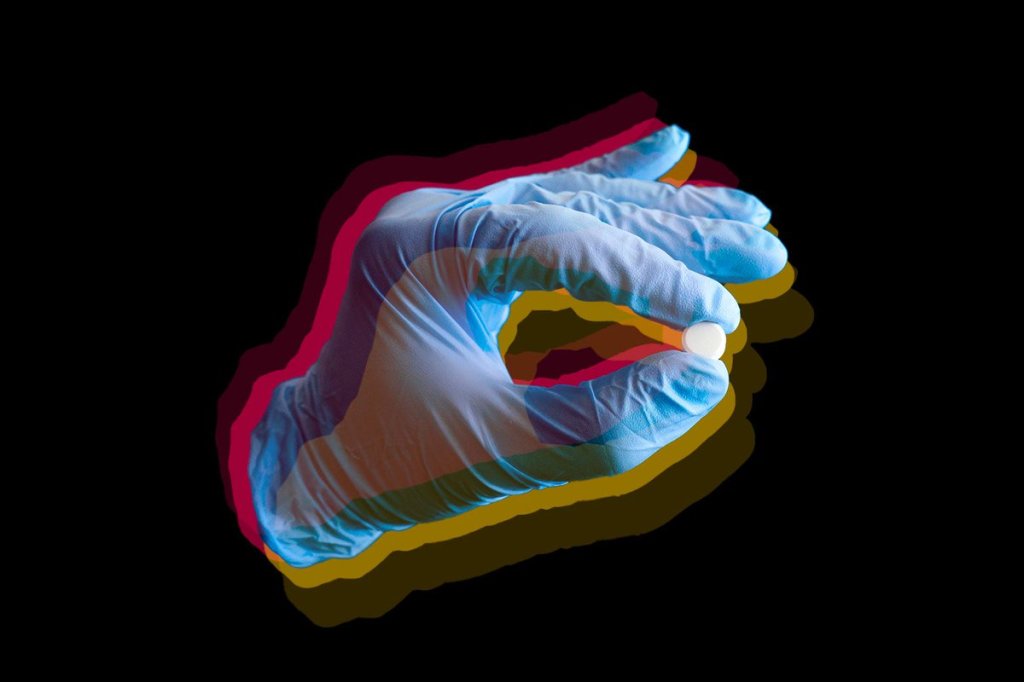
The evidence points less to a wariness of psychedelics and more to too little experience with clinical trial standards.
First came the rejection, and then came the retractions.
On Friday, in a decision that would have been stunning just six months ago, the Food and Drug Administration decided against approving MDMA-assisted therapy for Post-Traumatic Stress Disorder. It was a brutal result for Lykos Therapeutics, the for-profit biopharmaceutical offshoot of the world’s leading psychedelic research and advocacy organization, MAPS: the Multidisciplinary Association for Psychedelic Studies. Together, MAPS and Lykos had poured $100 million and more than two decades into trying to get MDMA-assisted therapy (MDMA-AT) across the regulatory finish line.
Some—including Lykos—have characterized the FDA’s decision as a blow for psychedelic medicine as a whole and inhumane to people with PTSD. The evidence, however, points less to an FDA wariness of psychedelics generally and more to MAPS being an advocacy organization with too much predetermined faith in the therapy, too little experience with rigorous standards for clinical trials, and too desperate to be the first FDA-approved psychedelic to market.
Why did the FDA decide not to approve MDMA-AT?
In September 2023, it seemed like the FDA’s approval of Lykos’ (which was then known as MAPS PBC) MDMA-AT application was almost a foregone conclusion. The company’s Phase 3 trial results looked exceptional: The participants who received MDMA-AT had significantly more reduced PTSD symptoms than those in the placebo group, and the company boasted that “No serious adverse events occurred in either group.” With bipartisan support and the backing of veterans’ groups, Lykos seemed well positioned for a win.






 Katie MacBride
Leave a comment